

FDA and GMP Certified: What Supplement Labels Really Mean
FDA and GMP Certified: What Supplement Labels Really Mean
The Confusing World of Supplement Certifications
Walk down any supplement aisle and you'll see a dizzying array of labels: "FDA Registered," "GMP Certified," "Non-GMO," "Third-Party Tested." But what do these certifications actually mean? And more importantly, which ones matter for your health?
At VerdantGuard, we believe you deserve transparency. Here's what every supplement buyer should know about quality certifications.
FDA Registered Facility: What It Means
The Truth About FDA Registration
Many consumers see "FDA" and assume it means FDA approval. Here's the critical distinction:
- FDA Registered Facility: The manufacturing facility is registered with the FDA and subject to inspections. This is required for all supplement manufacturers.
- FDA Approved: Only applies to drugs, not dietary supplements. Supplements cannot be "FDA approved."
What FDA registration ensures:
- Facility meets basic sanitation and safety standards
- Manufacturing processes are documented
- FDA can inspect at any time
- Adverse events must be reported
Red flag: If a supplement claims to be "FDA approved," it's misleading marketing.
GMP Certified: Quality You Can Trust
Good Manufacturing Practice Explained
GMP (Good Manufacturing Practice) certification goes beyond basic FDA registration. It means the facility follows strict quality control protocols throughout production.
GMP certification requires:
- Raw material testing: Every ingredient is tested for purity before use
- Batch consistency: Every production run meets the same quality standards
- Documentation: Complete records from raw material to finished product
- Clean facilities: Strict sanitation protocols prevent contamination
- Trained staff: Employees follow standardized procedures
Why it matters: A 2019 study found that supplements from non-GMP facilities were significantly more likely to contain contaminants or incorrect ingredient levels.
Non-GMO: What Does It Really Mean?
Beyond the Label
Non-GMO means the product contains no genetically modified organisms. But there's an important distinction:
- Non-GMO claim: The manufacturer states the product is non-GMO
- Non-GMO Project Verified: Third-party organization has verified the claim through testing
For herbal supplements, Non-GMO is particularly important because genetically modified crops can affect the herb's natural compound profile.
Third-Party Testing: The Gold Standard
Why Independent Verification Matters
Here's a shocking fact: supplement manufacturers aren't required to prove their products contain what the label claims. This is where third-party testing becomes crucial.
What third-party testing checks:
- Identity: Is the ingredient actually what it claims to be?
- Potency: Does it contain the stated amount of active compounds?
- Purity: Are there heavy metals, pesticides, or other contaminants?
- Stability: Will the product maintain potency throughout its shelf life?
A 2015 study by the New York Attorney General found that 4 out of 5 herbal supplements from major retailers didn't contain any of the herbs listed on the label. Third-party testing prevents this.
Vegan, Gluten-Free, and Other Claims
Understanding Dietary Certifications
Vegan/Vegetarian: Contains no animal products or by-products. Important for ethical and allergy reasons.
Gluten-Free: Contains less than 20 parts per million of gluten. Essential for celiac disease and gluten sensitivity.
Organic: USDA Organic certification ensures no synthetic pesticides or fertilizers were used.
Red Flags: Certifications That Don't Matter
Marketing Gimmicks to Watch For
Be wary of these misleading claims:
- "Clinically proven" without citing specific studies
- "Doctor recommended" without naming the doctors
- "Pharmaceutical grade" (not a regulated term for supplements)
- "All natural" (meaningless without certification)
The VerdantGuard Commitment
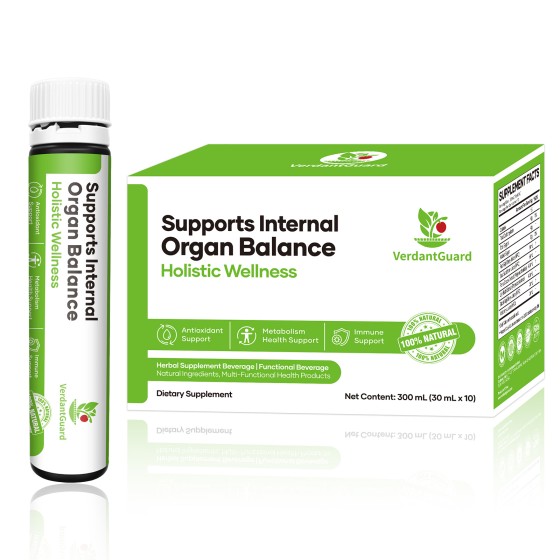
Every bottle of VerdantGuard carries these certifications:
- FDA Registered Facility: Manufactured in an FDA-registered facility
- GMP Certified: Follows strict quality control protocols
- Non-GMO: Verified non-genetically modified ingredients
- Third-Party Tested: Independent lab verification of purity and potency
- Vegan & Gluten-Free: Suitable for sensitive diets
We don't just claim quality—we prove it with every batch.
How to Verify Supplement Quality
Your Quality Checklist
Before buying any supplement, ask:
- Is the manufacturing facility FDA registered?
- Is the product GMP certified?
- Has it been third-party tested?
- Can I see the Certificate of Analysis?
- Does the company have a reputation for transparency?
Frequently Asked Questions
Q: Can I trust supplements without these certifications?
A: While uncertified supplements aren't automatically unsafe, certifications provide independent verification of quality. Without them, you're trusting the manufacturer's word alone.
Q: Why are certified supplements more expensive?
A: Testing, documentation, and quality control add costs. But consider: you're paying for verified purity and potency, not just a cheaper product that may not contain what it claims.
Q: How can I verify a company's certifications?
A: Look for certification numbers on the label, check the company's website for certificates, or contact them directly. Reputable companies are transparent about their testing.
Choose Certified, Choose Confidence
In an unregulated supplement market, certifications are your protection. They ensure that what's on the label is in the bottle—and that what's in the bottle is safe.
Don't gamble with your health. Choose supplements with the certifications that matter.